Planner guide
D&D games and lucky draw: the practical checklist.
A run-of-show checklist for company Dinner and Dance games and lucky draws in Singapore, written for the HR team or organising committee planning the night.
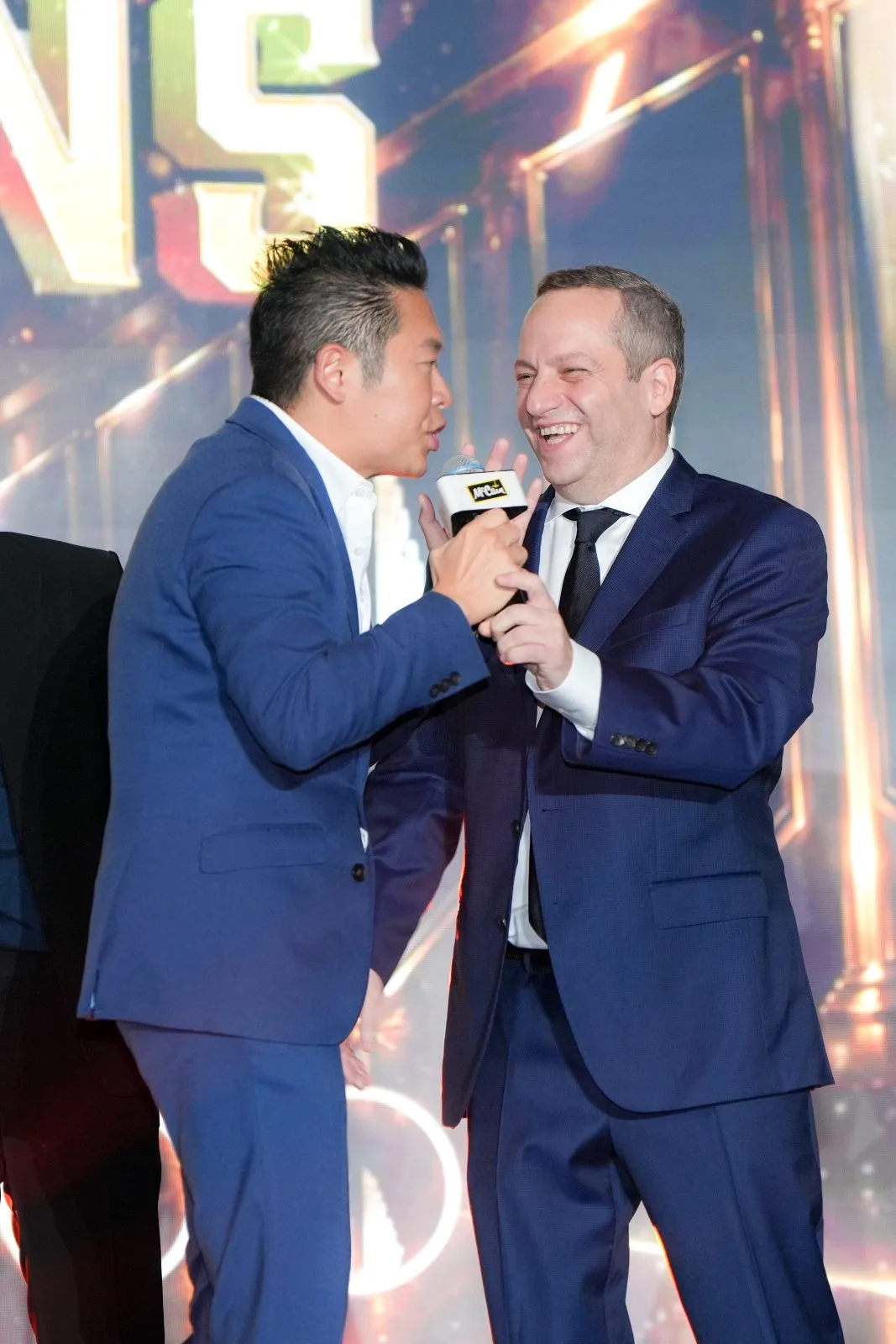
This checklist covers the practical decisions behind a successful D&D games and lucky draw programme in Singapore: which game formats work for different company sizes, how to pace a lucky draw so it does not stall, and a run-of-show template you can adapt to your own event.
Game formats that work across company sizes
The group sizes below are illustrative planning categories, not James’s guest limits or a promise that a particular game will suit every group. Adapt the activities to access needs, venue layout, optional participation and the organiser-approved rules.
Not every game works at every scale. The categories below are grouped by company size because the room dynamics change.
At this size, the emcee can reach every table. Best formats: trivia rounds where each table is a team, rapid-fire challenges passed table to table, and one physical showdown on stage between finalists. Avoid: games that need six volunteers on stage, because with eight tables the audience is mostly watching strangers.
The sweet spot for interactive formats. Best formats: stand-up-or-sit-down elimination games, app-based live polls or trivia projected on screen, and one or two high-energy stage showdowns. The key is that most of the room participates from their seats, with only the final round played on stage.
At this scale, detailed rules do not carry to the back of the room. Best formats: one-instruction games (stand up if your birthday is in June), DJ-led dance challenges with the emcee narrating, and video or visual-based games projected on screen. Avoid: anything that needs quiet attention from 60 tables at once.
The emcee is hosting a show, not a classroom. Best formats: countdown reveals, mass sing-along or chant challenges, and lucky-draw-as-entertainment segments where the draw itself is the game.
Who runs the lucky draw?
Agree who does what before rehearsal. Confirm in the quotation whether the emcee will announce checked results, lead the draw segment, or do both. Agree separately who operates the draw system.
Keep phone numbers and ID details off the public screen. Use the identifier approved by the committee, such as a ticket number. Before confirming the format, check the Gambling Regulatory Authority's class licence guidance, especially if the draw is open to the public or involves payment to enter.
For a blank per-recipient cue sheet covering both awards and lucky draw rounds, download the awards and lucky draw cue sheet (CSV).
Approves entry rules, decides how absent or ineligible winners are handled, and authorises any substitutions. Record these decisions and share them with the draw operator and host before the event.
Rehearses the draw method (electronic system, physical ballot or other) and confirms the fallback if the primary method fails. The operator draws the entry and passes it to the checker, not directly to the screen or the host.
Confirms the winning entry against the approved list before AV puts the public identifier on screen. Resolves name mismatches, absent winners and ineligible entries before the host is cued.
Announces the checked result, waits for the checker if the winner's status is unresolved, and coordinates the prize handover with the stage manager.
Illustrative approaches to lucky draw pacing
For a draw with many prizes, plan the order, handovers and transitions before the event. Consider these three approaches:
If the rules allow, announce smaller prizes in batches using checked ticket numbers or other approved identifiers. For larger prizes, agree whether the winner comes to the stage, receives the prize at their table or collects it at an accessible point, then brief staff and announce where to collect.
Announce that the next group is "the five most wanted prizes of the night" before the first name is drawn. The audience leans in because they know the stakes, not because you told them to pay attention.
The gap between a winner walking off stage and the next name being drawn is where the energy dies. Fill it with a one-liner, a reaction from the table, or a quick crowd poll. Agree a short transition or clear instruction so guests understand what is happening between draws.
Illustrative D&D run-of-show (300 guests, 4 hours)
This is an illustrative template. Every D&D programme is tailored to the company culture, theme and venue.
For a blank run sheet you can adapt to your own D&D programme, see the corporate event planning templates.
Theme photo wall, table assignments, background music.
Emcee introduces the theme, sets the energy, previews the prizes.
CEO or MD addresses the room. Emcee manages the transition back to party energy.
Whole-room trivia or stand-up elimination game. One winner per round, small spot prize.
Prizes 40 to 21, drawn in rapid batches of 5. Screen projection, no individual walk-ups.
Live performance, department video challenge screening, or surprise act.
Two or three teams on stage, high-energy physical or quiz challenge. The crowd picks sides.
Prizes 20 to 6, drawn in batches of 5. Suspense builds; the audience knows what is left.
Best-dressed table, best team video, or audience-voted award. Light, celebratory.
Prizes 5 to 1. Use the agreed stage, table or collection-point handover. Confirm any photo cue in advance.
Final toast, thank-yous, seamless transition to DJ or live band.
Choose the host and confirm the actual scope
For the hosting answer and dated audience-activity records, see Dinner & Dance briefing guide. Discuss the event and agreed scope through his main Dinner and Dance service page.
If invitations are still being drafted, use the Dinner & Dance invitation templates to tell guests when to arrive and how to RSVP.
Questions
What should the organising committee prepare for D&D games and lucky draws?
How many games should a D&D have?
How long should a lucky draw take?
Can the emcee design the games for us?
Keep reading
Tell me about your event.
Share your event brief to check availability and agree the hosting scope.